
Spider Veins
- Home
- Spider Veins
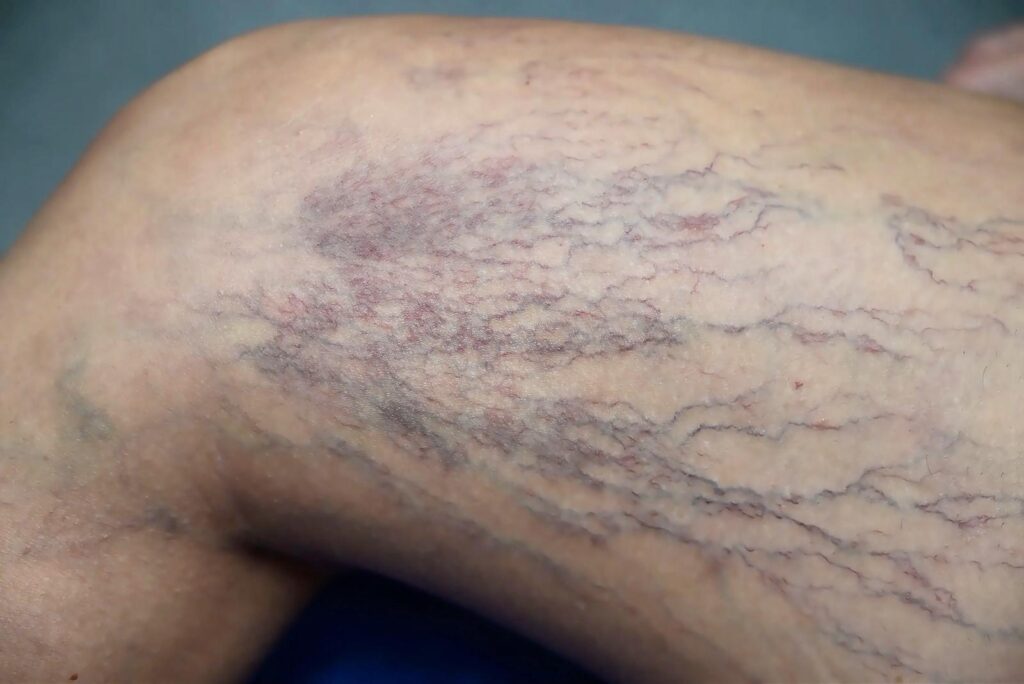
Spider Veins and Treatment Options in Melbourne
Spider veins are small, visible red, blue or purple blood vessels near the skin’s surface. They commonly appear on the legs as fine lines, branching patterns or web-like clusters. Spider veins are often a cosmetic concern, although some people experience local discomfort or have associated symptoms of venous disease.
At Vein Care in Melbourne, a clinical assessment can help determine whether spider veins are isolated or associated with larger feeder veins or underlying venous reflux. Treatment recommendations depend on the appearance and location of the veins, symptoms, medical history and individual circumstances.
Key Takeaways
- Spider veins are small, visible blood vessels close to the skin’s surface.
- They are often a cosmetic concern, although some people experience aching, burning, itching or heaviness.
- Clinical assessment helps determine whether spider veins are isolated or associated with underlying venous disease.
- Sclerotherapy or microsclerotherapy may be suitable for selected leg spider veins.
- Some patients require more than one treatment session, and new spider veins may develop over time.
- Spider veins accompanied by pain, swelling, skin changes or larger varicose veins may warrant medical assessment.
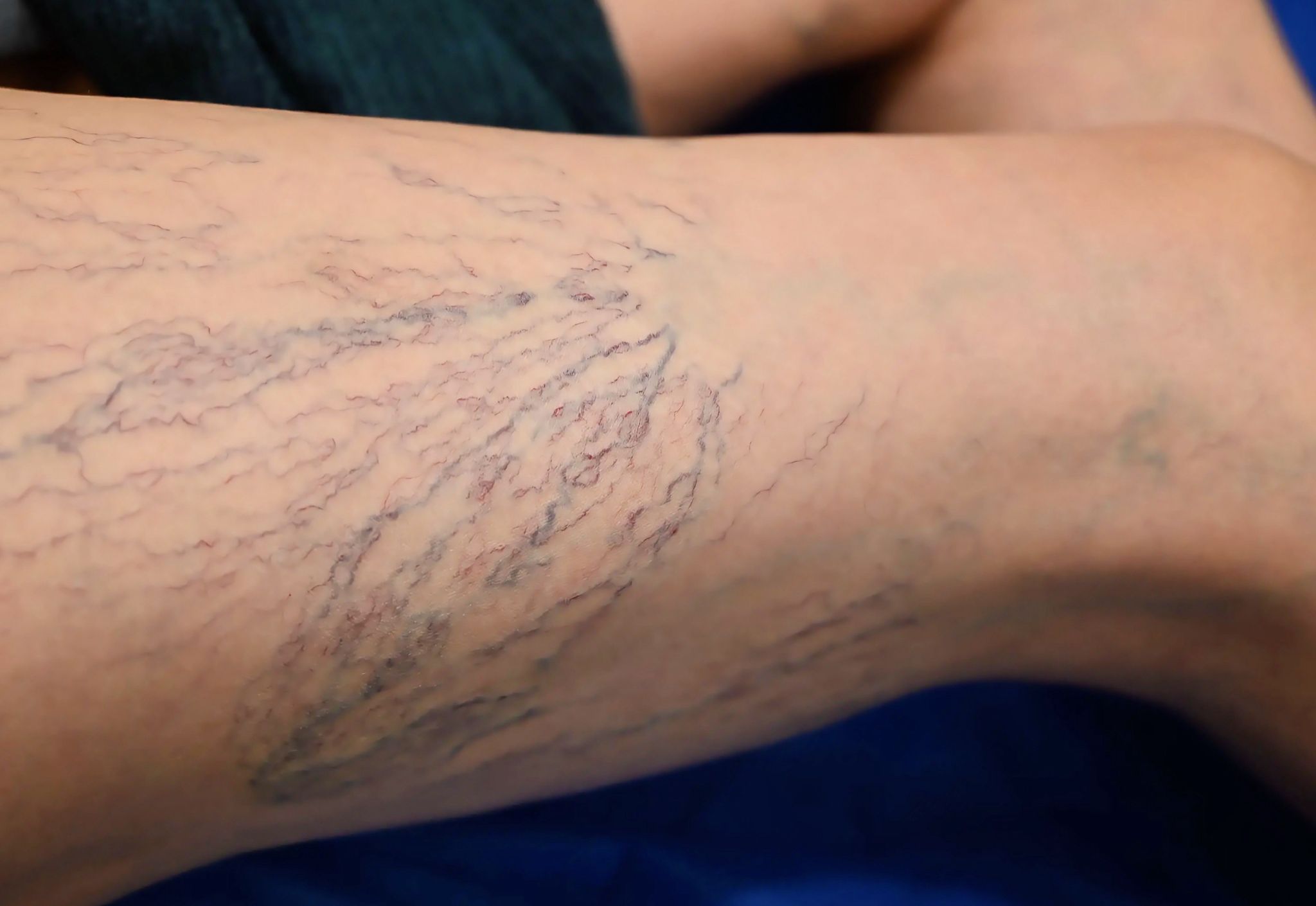
What Are Spider Veins?
Small, visible blood vessels close to the skin surface, usually fine red, blue or purple lines, sometimes branching into web like patterns. They show up most often on the legs, thighs and ankles, occasionally on the face.
Spider veins tend to be flatter and smaller than varicose veins. For most people they’re purely cosmetic, though some notice local aching, burning or itching too.
Common features of spider veins include:
- Fine red, blue or purple lines
- Web like or branching patterns
- Clusters on the thighs, calves or ankles
- Veins that are flat or only slightly raised
- Gradual spreading or increased visibility over time
- Aching, burning or itching, for some people
Spider veins may occur independently, or alongside reticular veins, varicose veins, or other signs of venous disease.
Are Spider Veins the Same as Varicose Veins?
No. Spider veins are smaller surface veins, while varicose veins are larger, raised and often twisted or bulging. Spider veins tend to be cosmetic; varicose veins are more likely to bring aching, heaviness, swelling and skin changes along with them.
That said, the two can overlap. Plenty of patients have visible spider veins alongside deeper refluxing veins or larger varicose veins nearby.
| Feature | Spider Veins | Varicose Veins |
|---|---|---|
| Appearance | Fine red, blue or purple lines | Larger, raised, twisted or bulging |
| Depth | Close to the skin surface | Larger superficial veins |
| Symptoms | Often cosmetic, sometimes aching or burning | Aching, heaviness, swelling or skin changes |
| Assessment | Clinical review; ultrasound if indicated | Clinical review, often with duplex ultrasound |
| Treatment Planning | Usually surface-vein treatment | May need assessment for deeper reflux |
Learn more about varicose veins and varicose vein symptoms.
What Causes Spider Veins?
Spider veins may develop due to several contributing factors, including family history, ageing, hormonal changes and pregnancy. Prolonged standing or sitting may contribute in some individuals, while underlying venous reflux or larger feeder veins can influence their appearance.
Sun exposure may also contribute to visible small blood vessels on the face. Not all spider veins develop for the same reason, so clinical assessment can help determine whether further investigation is appropriate.
Potential contributing factors include:
- Family history of vein problems
- Ageing
- Hormonal changes
- Pregnancy history
- Prolonged standing or sitting
- Previous vein problems
- Larger feeder veins underneath
- Sun exposure, particularly for facial spider veins
- Underlying venous reflux, in some patients
Can Spider Veins Be Treated?
Yes, in most cases, though suitability depends on the size, location and pattern of the veins, your medical history and symptoms, and whether anything larger is feeding them.
For some people it’s purely about appearance. For others, treatment comes up because the spider veins ache, burn, or sit alongside signs of broader venous disease.
Clinical assessment helps determine:
- Are these spider veins, reticular veins, or small varicose veins?
- Is there a larger feeder vein or deeper reflux pattern behind them?
- Is treatment the right call, or is monitoring more appropriate for now?
A Clinical Note From Dr Gurjit Dhillon
Patients may seek treatment for visible spider veins without being aware of possible underlying venous reflux. Clinical assessment helps determine whether the visible veins are isolated or associated with larger feeder veins or deeper venous abnormalities. Identifying these factors can help guide appropriate investigation and treatment planning.
Dr Gurjit Dhillon, Phlebologist, M.B.B.S., F.A.C.P.
How Do You Get Rid of Spider Veins?
Spider veins on the legs may be treated using sclerotherapy or microsclerotherapy, where clinically appropriate. These procedures aim to close selected superficial veins so their appearance gradually fades. Individual results vary, and some patients may require more than one treatment session.
Treatment does not prevent new spider veins from developing in the future. A clinical assessment helps determine treatment suitability, expected outcomes, potential risks and whether further investigation is needed.
Treatment planning may include:
- Assessing the visible veins
- Whether ultrasound is needed
- What response to expect, and the limits of that
- Possible temporary side effects
- Aftercare
- Whether you’ll need follow-up or staged treatment
What Is the Most Appropriate Treatment for Spider Veins?
It comes down to the vein pattern, location, symptoms, skin condition, medical history and whether reflux is involved. Sclerotherapy or microsclerotherapy often suits leg spider veins; larger veins sometimes need a different pathway altogether.
The most appropriate treatment for spider veins depends on clinical assessment, the characteristics of the affected veins, associated symptoms and individual medical circumstances. Treatment recommendations should consider potential benefits, risks, alternatives and patient preferences.
Factors considered during assessment include:
- Whether you’re dealing with spider veins, reticular veins or small varicose veins
- Whether larger feeder veins are present
- Whether aching, swelling or heaviness comes with it
- The skin condition around the area
- Pregnancy status, where relevant
- Medication use and allergies
- Previous vein procedures
- Your own goals and expectations
- Whether compression might be recommended afterward
For more on the procedure itself, see sclerotherapy and microsclerotherapy.
How Are Spider Veins Assessed Before Treatment?
Through a clinical history and examination, with duplex ultrasound brought in when there are larger visible veins, aching, heaviness, swelling, skin changes, previous vein treatment, or anything suggesting deeper venous reflux.
Your clinician may ask about:
- When did the spider veins appear?
- Are they changing or spreading?
- Any aching, burning or heaviness?
- Previous vein treatment?
- Family history of vein problems?
- Pregnancy history, where relevant
- Work involving a lot of standing or sitting?
- Current medications, allergies, medical conditions
- Past blood clots or circulation concerns
Visible veins do not always indicate whether underlying venous reflux is present. Ultrasound mapping helps fill in the gaps when symptoms or larger veins suggest something deeper is going on.
Learn more about vascular ultrasound and mapping.
What Should You Do Before Spider Vein Treatment?
Follow whatever preparation instructions your clinician gives you, typically that means listing your medications, skipping lotion on the treatment area beforehand, bringing compression stockings if asked, and wearing something loose and comfortable.
Preparation varies depending on the procedure and your medical history. Don’t stop any prescribed medication unless your doctor specifically tells you to.
How to Prepare for Your Appointment
- Bring previous ultrasound reports, if you have them
- List your current medications and allergies
- Mention if you’re pregnant or trying to conceive
- Skip moisturiser, oil or fake tan on the treatment area
- Wear loose clothing that gives easy access to the area
- Bring compression stockings if you’ve been asked to
- Ask about walking, driving and activity afterward
You may also wish to discuss what kind of response to expect, what side effects are possible, and whether you’re likely to need more than one session.
What Happens During Spider Vein Treatment?
If sclerotherapy or microsclerotherapy is appropriate, selected veins are treated with small injections. The solution irritates the vein lining from inside, helping it close so blood reroutes through healthier veins nearby.
The exact process depends on your treatment plan, some appointments are assessment only, others include treatment if it’s been arranged in advance and is clinically appropriate.
A treatment appointment typically involves:
- Reviewing your history and getting consent
- Examining or marking the visible veins
- Cleaning the area
- Treating selected veins with fine injections
- Dressings or compression, if recommended
- Walking and aftercare instructions before you leave
Some patients need staged treatment rather than everything done in one visit.
What Should You Expect After Spider Vein Treatment?
Temporary redness, bruising, tenderness, pigmentation change, small lumps or irritation are all possible. Walking is often encouraged, and compression stockings may be recommended. Exactly what aftercare looks like depends on the treatment, the area and your medical history.
Sclerotherapy may also cause temporary skin staining, fine new surface vessels (matting), or local inflammation. Less common complications can include skin ulceration, allergic reactions and blood clots, including deep vein thrombosis. Your clinician should explain the relevant risks, expected benefits and alternative options before treatment.
Visible improvement usually occurs gradually, and the timing and extent of the response vary between individuals.
Aftercare typically covers:
- Walking as advised
- Compression, if recommended
- Holding off strenuous exercise for the period advised
- Avoiding heat exposure, if instructed
- Keeping treated areas out of direct sun, where advised
- Watching for unusual pain, swelling, redness or skin changes
- Attending follow-up, if recommended
Seek immediate medical assessment if you develop sudden swelling, pain, warmth or redness in one leg after treatment, as these symptoms may indicate a blood clot or another complication.
Call 000 immediately if you experience sudden breathlessness, chest pain, coughing up blood, fainting or collapse.
Contact your treating clinician promptly about other unexpected or worsening symptoms, including significant skin changes, increasing pain or signs of infection.
How Many Sessions Are Needed for Spider Vein Treatment?
The number of spider vein treatment sessions varies depending on the number, size and location of the veins, whether underlying feeder veins are present, and how the veins respond to treatment. Some patients may require more than one session to address their concerns.
The number of sessions cannot be reliably determined before a clinical assessment. Your clinician can discuss a likely treatment plan based on your individual circumstances.
Factors That May Affect the Number of Sessions
- Extent of spider veins: How widespread the visible veins are and whether one or both legs are affected.
Underlying feeder veins: Whether reticular veins or other contributing veins are present.
Previous treatments: Whether you have undergone spider vein treatment before.
Skin characteristics: Individual sensitivity and the risk of pigmentation changes.
Medical history: Relevant health conditions, medications and treatment considerations.
Response to treatment: How the veins respond and whether further treatment is clinically appropriate.
The number of sessions cannot be reliably determined before a clinical assessment. Your clinician can discuss a likely treatment plan based on your individual circumstances.
Can Spider Veins Come Back After Treatment?
Treated veins usually fade, but new spider veins can show up later, sometimes from the same underlying causes (vein pressure, hormones, pregnancy, family history, feeder veins), sometimes for reasons that aren’t fully clear.
It’s more accurate to think of treatment as managing what’s currently visible, not a permanent fix that guarantees spider veins never return.
Things that can influence future veins:
- Genetics
- Ageing
- Hormonal changes
- Pregnancy
- Prolonged standing or sitting
- Sun exposure
- Underlying venous reflux
- Previous vein patterns
If new veins appear, symptoms develop, or treated veins seem to be coming back, that’s worth a reassessment.
When Are Spider Veins More Than Cosmetic?
When they show up alongside aching, heaviness, swelling, skin irritation, larger bulging veins, pigmentation changes, or a history of vein problems. Spreading quickly, becoming tender, or appearing with other signs of venous disease are also worth a closer look.
Get assessed if spider veins appear with:
- Aching or throbbing
- Burning or itching
- Leg heaviness
- Ankle swelling
- Skin discolouration
- Eczema-like changes
- Larger varicose veins
- Previous vein treatment
- Tenderness or inflammation
- A wound that is slow to heal
Seek immediate medical assessment for sudden swelling, pain, warmth or redness in one leg, as these may indicate deep vein thrombosis or another condition requiring prompt care.
Call 000 immediately if you experience sudden breathlessness, chest pain, coughing up blood, fainting or collapse.
Significant or uncontrolled bleeding also requires urgent medical attention. Call 000 if bleeding is severe or cannot be controlled.
Learn more about deep vein thrombosis and venous leg ulcers.
Address : Suite 307, 685 Burke Road Camberwell VIC 3124
Appointments required.
Please confirm current availability when booking.
Address : 574 Melton Highway
Sydenham VIC 3037
Appointments required.
Please confirm current availability when booking.
Address : 157 Scoresby Road
Boronia VIC 3155
Appointments required.
Please call ahead to confirm current availability.
Consultation and treatment availability may vary between clinic locations. Please confirm available services at your preferred location when booking.
Where Can I Arrange Spider Vein Treatment in Melbourne?
Vein Care offers appointment-based spider vein assessment across three Melbourne clinics. Assessment helps confirm whether your veins are suitable for treatment and whether ultrasound mapping or a broader vein review makes sense.
Frequently Asked Questions
Follow the clinic’s instructions, usually that means medication details, no lotion on the treatment area, loose clothing, and compression stockings if you’ve been asked to bring them.
Varies by person and method, some feel brief stinging or tenderness. Your clinician can walk you through what to expect beforehand.
Depends on what’s being assessed or treated and how many veins are involved. Some people need staged sessions rather than everything in one visit.
Yes, treated veins usually fade, but new ones can develop later, often linked to genetics, hormones, pregnancy, prolonged standing, feeder veins or underlying reflux.
Vein Care offers appointment-based assessment across Camberwell, Boronia and Sydenham. Assessment determines whether treatment suits you and whether ultrasound mapping is needed.
Small, visible blood vessels close to the skin surface, usually fine red, blue or purple lines or web-like patterns, most often on the legs, thighs, ankles or face.
Usually not, but get them checked if they come with pain, swelling, heaviness, skin changes, larger varicose veins, tenderness, bleeding or any sudden change.
It aims to close selected small surface veins so they fade over time. What’s suitable depends on the vein pattern, symptoms, medical history and whether deeper reflux is involved.
Depends on assessment. Sclerotherapy or microsclerotherapy often suits leg spider veins; larger veins, symptoms or suspected reflux may call for ultrasound mapping or a different plan.
Through clinical assessment and, where suitable, treatment of selected veins. It can improve how they look, but it can’t guarantee every spider vein disappears or that new ones won’t form later.
Not always. It tends to come up when spider veins appear with larger veins, aching, heaviness, swelling, skin changes, previous treatment, or signs of deeper reflux.