Welcome to Varicose Veins Clinic
Varicose Veins Clinic Melbourne – Expert Treatment & Personalised Care
Book a vein consultation
What We Offer
Vein Conditions We Assess
Visible veins and leg symptoms can have different causes. Clinical assessment is what identifies the type of vein involved, whether further investigation makes sense, and which management options might apply.
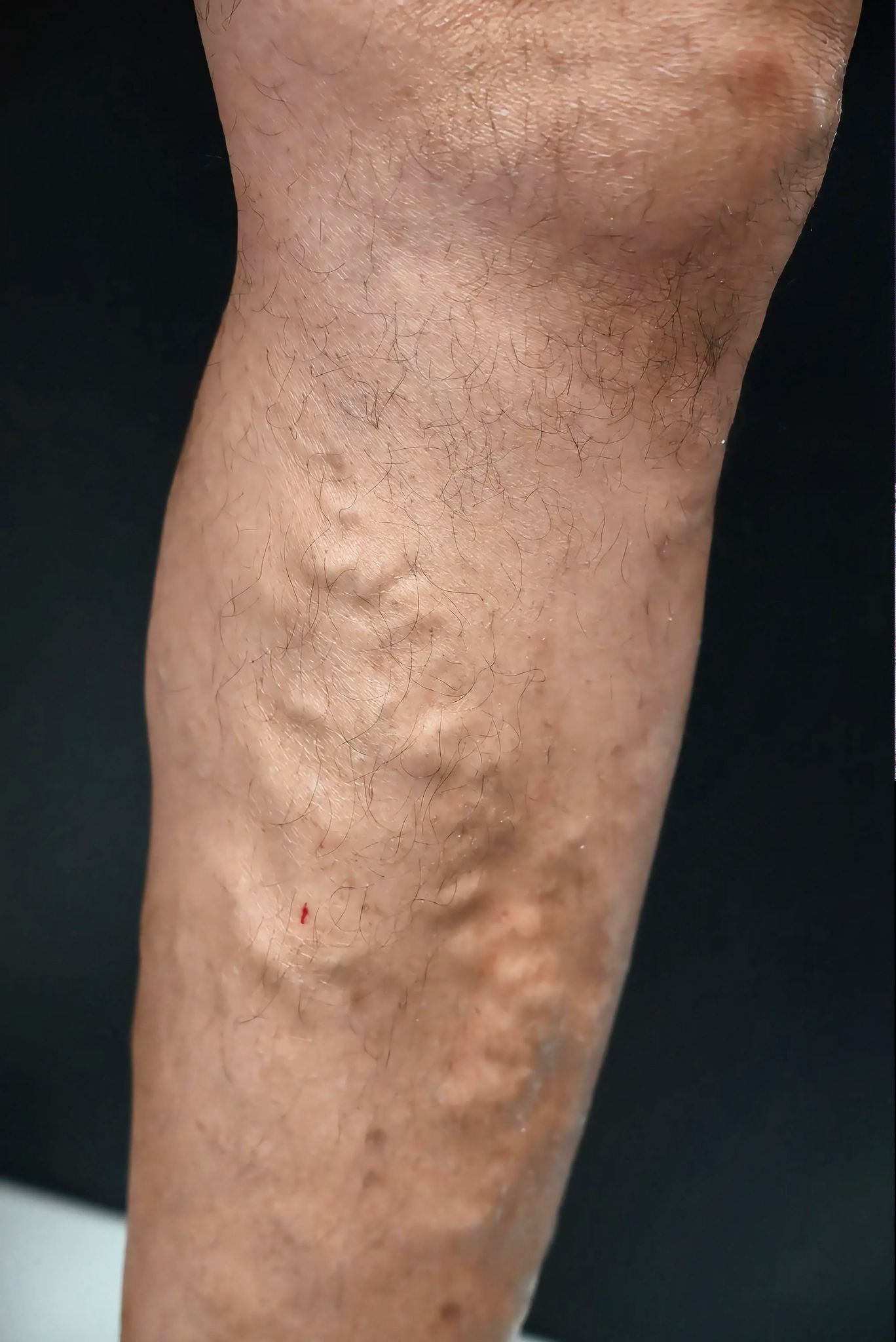
Varicose Veins
Enlarged or twisted surface veins, most commonly in the legs. Can come with aching, heaviness, throbbing, swelling, itching or skin changes.
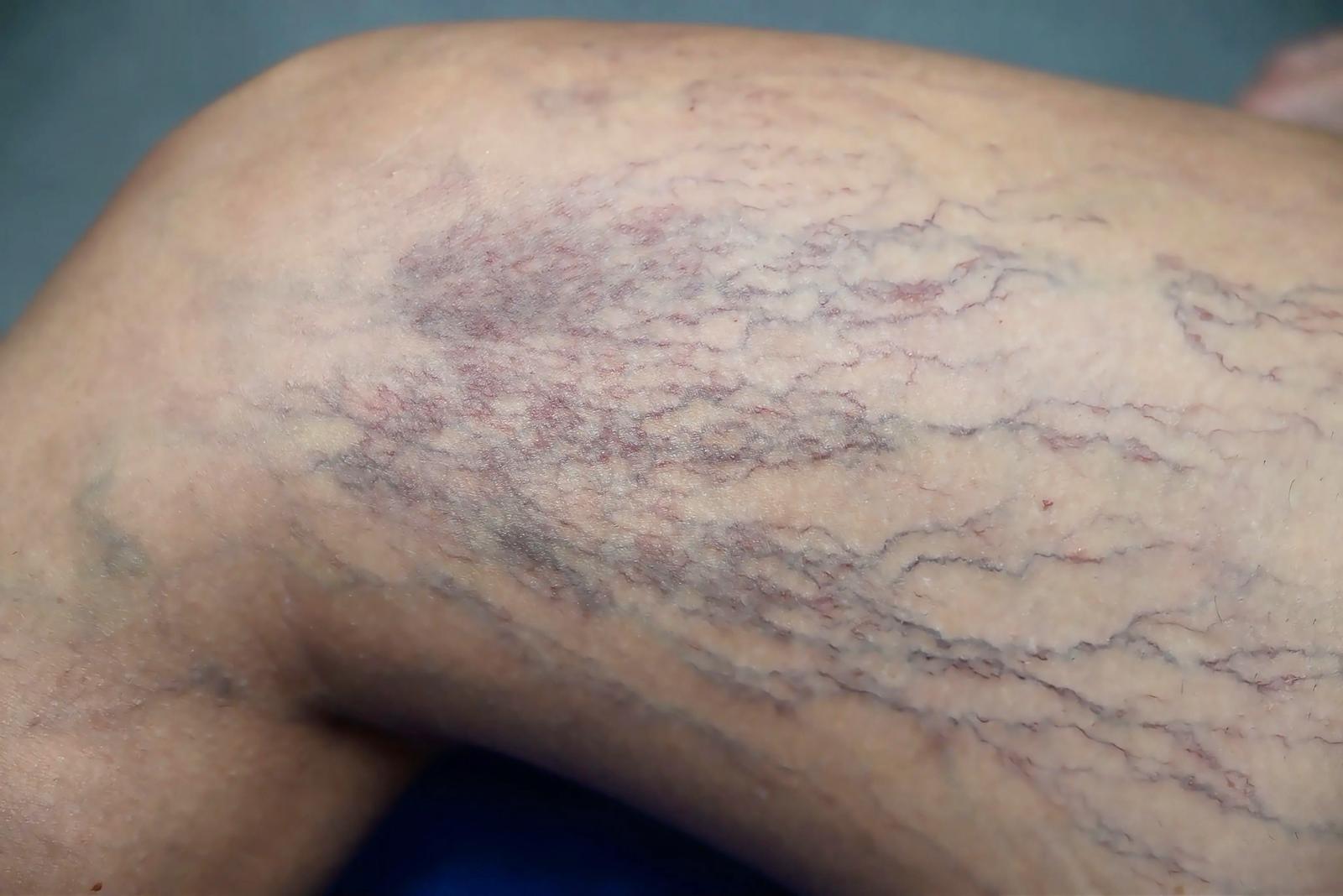
Spider Veins
Small red, blue or purple vessels close to the skin’s surface. Can appear alone, or alongside reticular veins, varicose veins or deeper venous reflux.
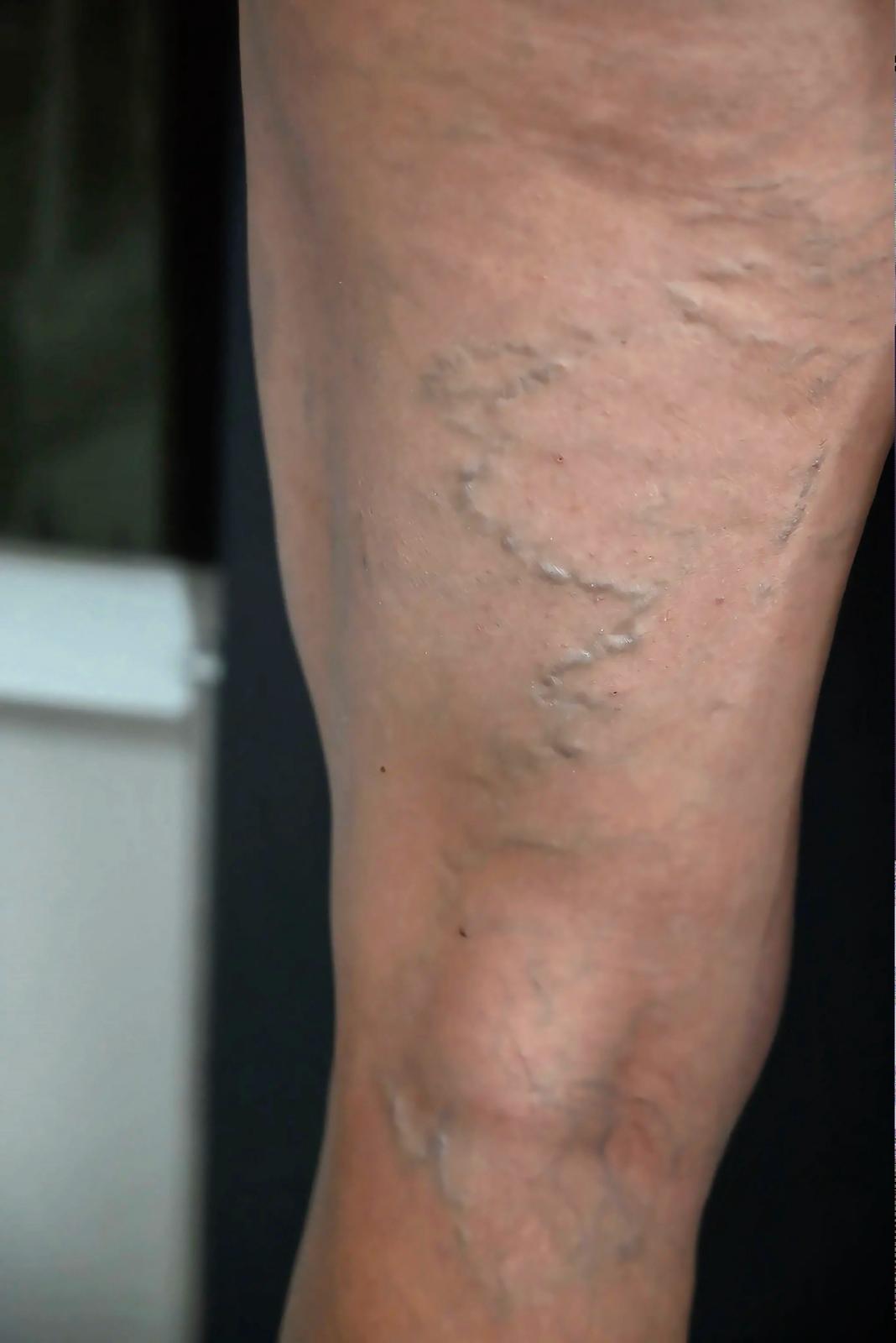
Reticular Veins
Usually blue or green vessels beneath the skin, larger than spider veins, smaller than typical varicose veins, and sometimes connected to a deeper source of reflux.
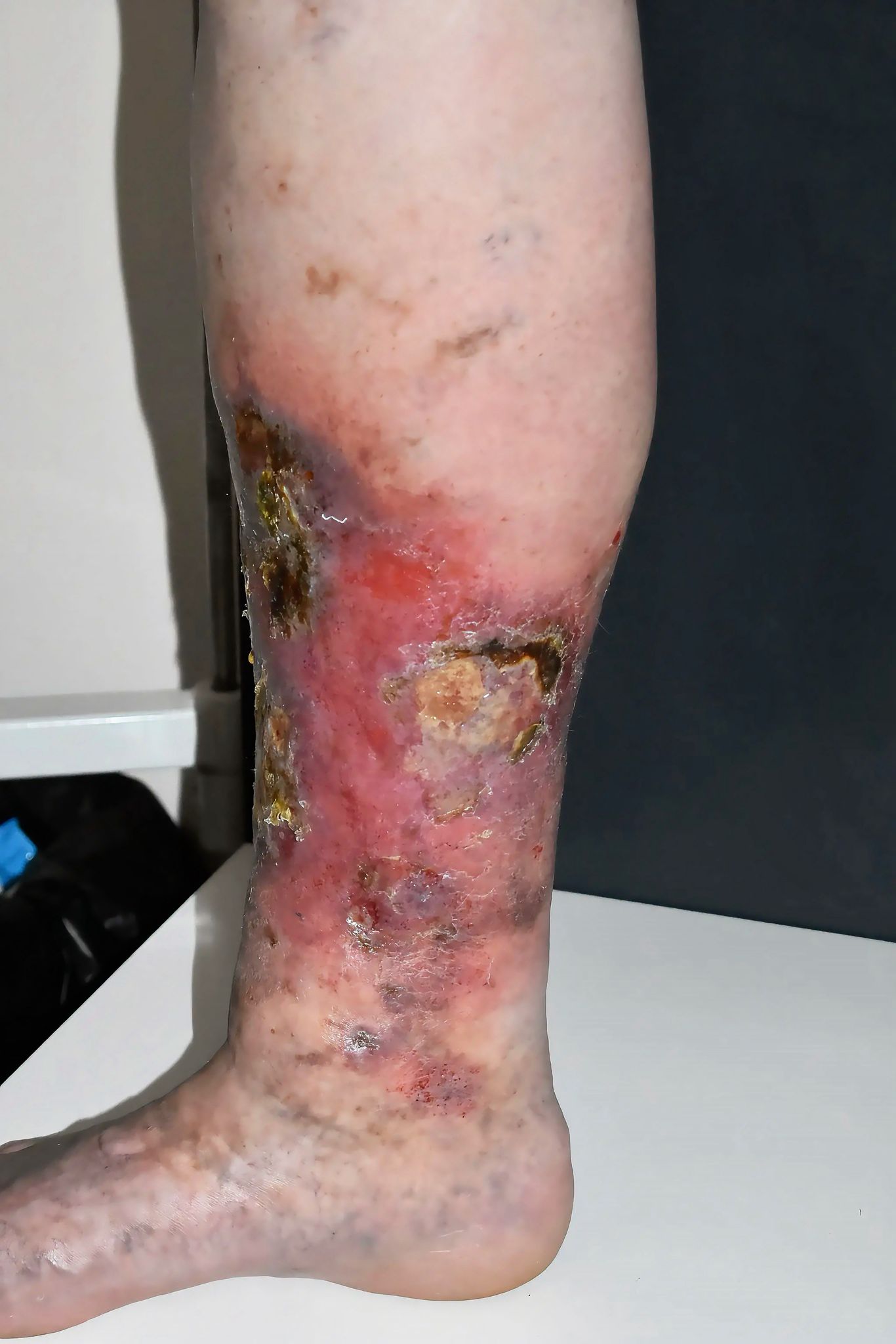
Venous Leg Ulcers
Slow healing sores, commonly near the ankle. Assessment looks at the wound, the surrounding skin and the underlying venous circulation.
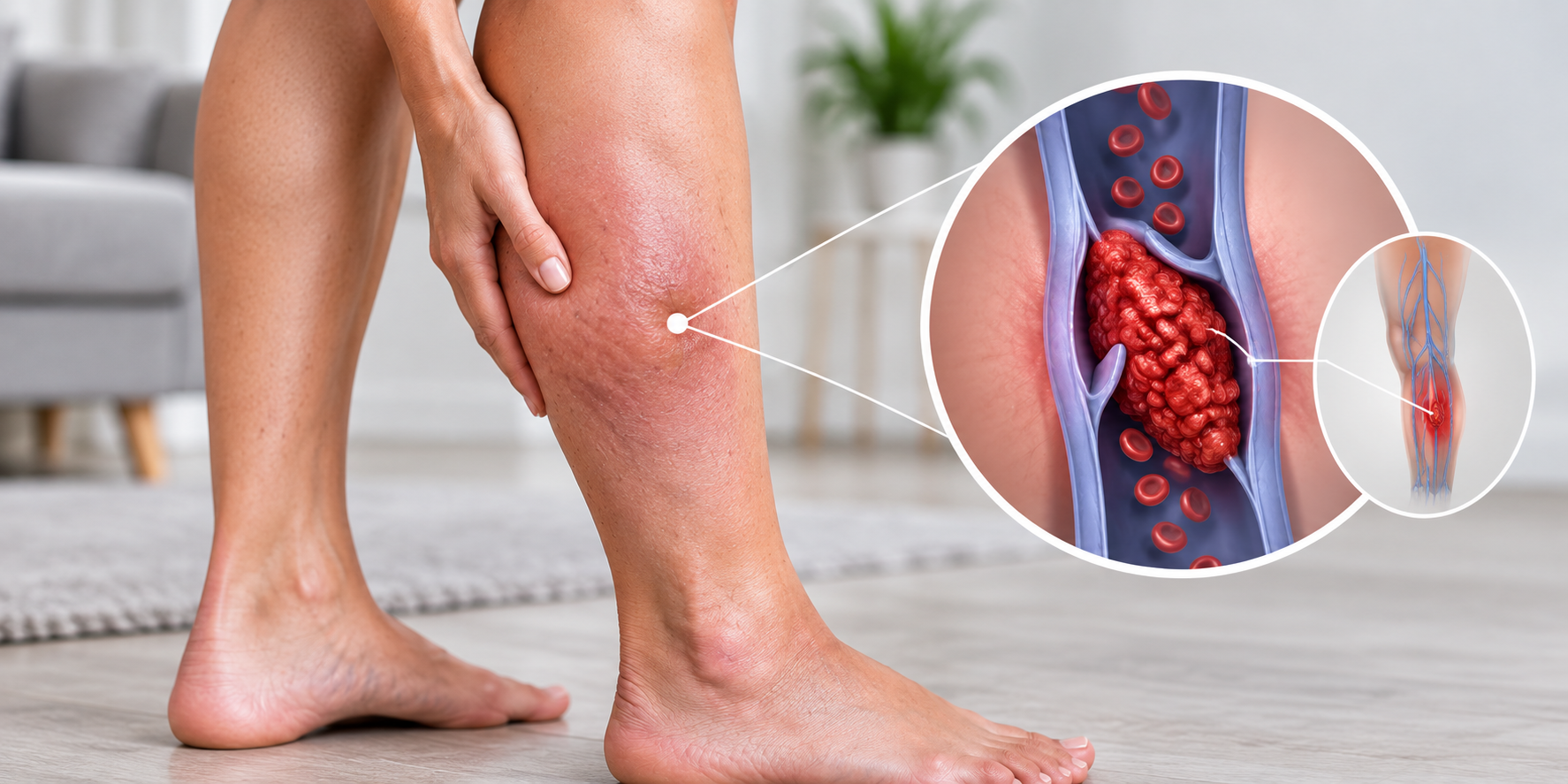
Deep Vein Thrombosis
Suspected DVT needs prompt medical assessment and should not wait for a routine vein-treatment appointment.
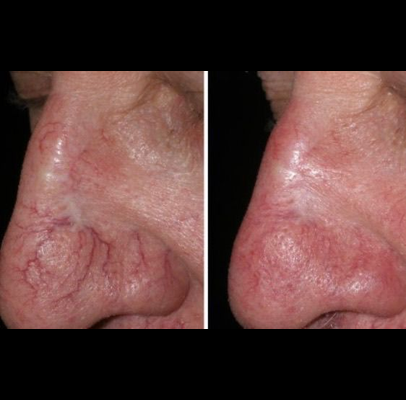
Facial Veins
Small visible vessels around the nose, cheeks and other areas of the face. Assessment identifies the vessel type and whether treatment or another approach fits.

Who We Are
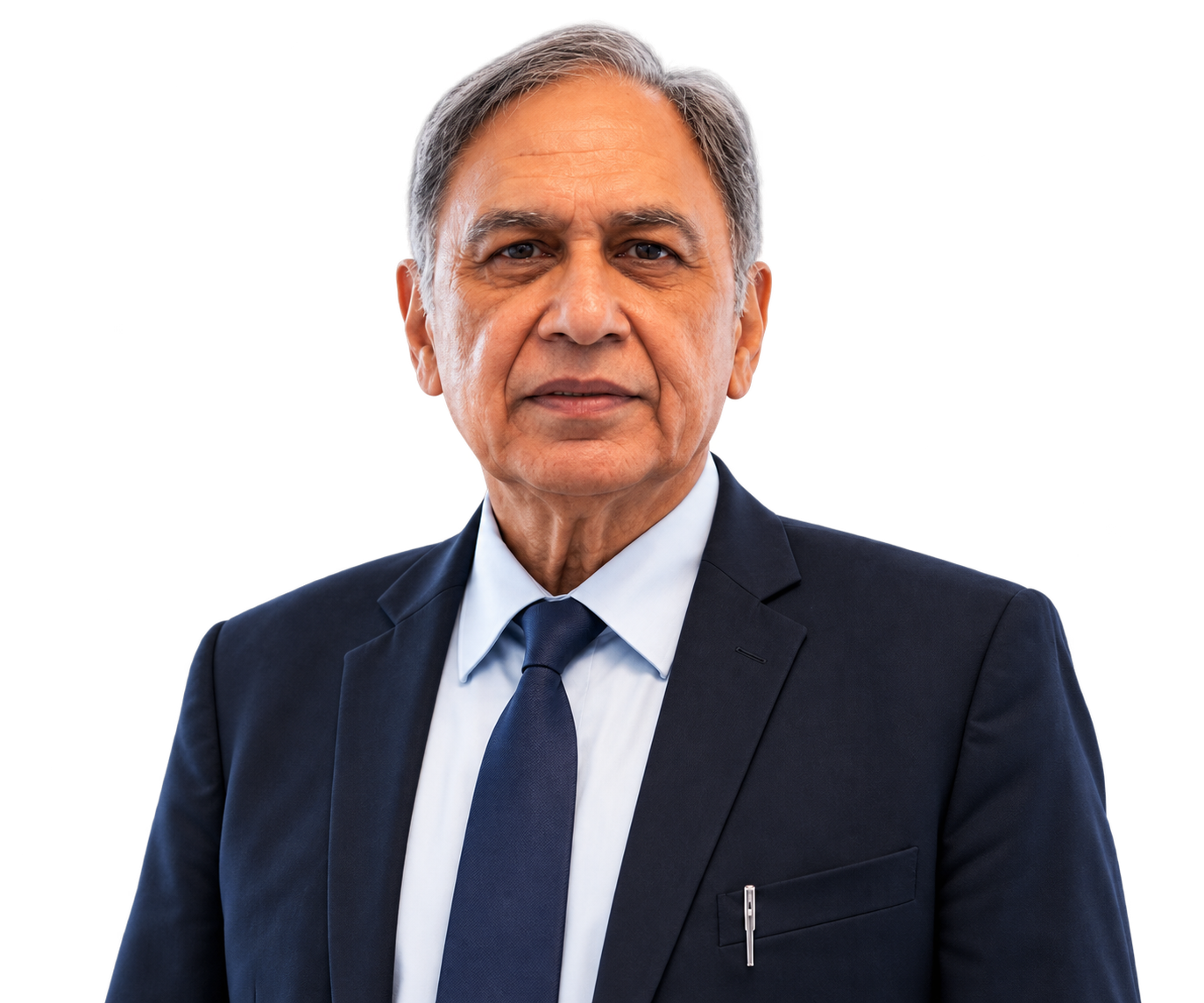
About Dr Gurjit Dhillon and Vein Care
Dr Gurjit Dhillon is a phlebologist with qualifications including M.B.B.S. and F.A.C.P., focused on the assessment and management of venous disease.
Vein Care builds every consultation around clinical history, examination and duplex ultrasound where appropriate, before monitoring or treatment options are ever discussed.
When Should You Arrange a Vein Assessment?
Consider arranging an assessment if you have
- Visible bulging or twisted veins
- Persistent aching, heaviness or throbbing
- Ankle or lower leg swelling
- Itching, burning or skin discolouration
- Bleeding from a surface vein
- A slow-healing sore near the ankle
- New or recurrent veins after previous treatment
- Not every visible vein needs a procedure. Assessment is what
How It Works
What Happens During a Vein Assessment?
A vein assessment generally includes four stages
Clinical History
The clinician discusses your symptoms, medical history, medicines, previous treatment, blood clot history and reasons for seeking assessment.
Examination
The affected area is examined for visible veins, swelling, tenderness, skin changes, ulcers and other clinical signs.
Ultrasound (If Needed)
Ultrasound may be used to assess blood flow, identify venous reflux and map veins beneath the skin.
Treatment Discussion
Findings, treatment options, expected appointments, aftercare and likely costs are discussed before treatment decisions are made.
Ready to Discuss Your Vein Concerns?
Book an appointment to talk through your symptoms, history and assessment options. The appropriate next step monitoring, self care, further investigation or treatment is decided after clinical findings, not before.
Varicose Vein Treatment Options in Melbourne
No single treatment is appropriate for every patient. The options discussed depend on symptoms, the size and location of the affected veins, ultrasound findings, medical history, treatment goals and individual preferences.
Sclerotherapy & Microsclerotherapy
A sclerosant is injected into selected surface veins, closing them over time. Often considered for suitable spider veins, reticular veins and smaller tributary veins.
Learn About Sclerotherapy →
Ultrasound-Guided Sclerotherapy
Ultrasound locates and guides treatment of selected veins beneath the skin that can't be adequately seen from the surface alone.
Learn About Ultrasound-Guided Sclerotherapy →
Endovenous Laser Treatment
EVLT uses an ultrasound-guided catheter and laser fibre to close selected refluxing veins from inside the vessel.
Learn About EVLT →
Cyanoacrylate Vein Glue
Medical adhesive is delivered into a selected abnormal vein under ultrasound guidance to close the treated section.
Learn About Vein Glue →
Ambulatory Phlebectomy
Selected raised tributary veins are removed through small skin punctures or incisions, usually under local anaesthetic.
Learn About Ambulatory Phlebectomy →
Compression Therapy
Compression stockings may help relieve symptoms such as aching, heaviness and swelling. Suitability depends on your condition and clinical assessment.
Learn About Compression Therapy →
Address : Suite 307, 685 Burke Road Camberwell VIC 3124
Appointments required.
Please confirm current availability when booking.
Address : 574 Melton Highway
Sydenham VIC 3037
Appointments required.
Please confirm current availability when booking.
Address : 157 Scoresby Road
Boronia VIC 3155
Appointments required.
Please call ahead to confirm current availability.
Consultation and treatment availability may vary between clinic locations. Please confirm available services at your preferred location when booking.
Helpful Vein Health Resources
Varicose Vein Symptoms
Bulging veins, aching, heaviness, swelling, itching and skin changes that can show up with varicose veins.
Read About Varicose Vein Symptoms →
Varicose Vein Treatment Options
Compare procedures considered for different types and patterns of venous reflux.
Compare Treatment Options →
What to Expect at a Vein Consultation
Clinical history, examination, possible ultrasound and how treatment planning is approached.
Prepare for Your First Appointment →
Client Review
Posted on Google
 Anamaria Racina
Trustindex verifies that the original source of the review is Google.
I recently underwent varicose vein treatment with Dr. Dhillon at Vein Care in Camberwell and I couldn’t be more pleased and happy with the results. My symptoms of heavy, painful, and swollen legs have completely disappeared. Not only has my leg pain improved, but I’ve also noticed a significant improvement in my sleep, as I no longer experience night cramps. As an avid swimmer, I used to struggle with calf cramps while swimming, which affected my performance. However, since completing my treatment with Dr. Dhillon, I no longer experience cramps, and my swimming has improved noticeably. Overall, it has been an amazing experience with major lifestyle improvements. I highly recommend Dr. Dhillon and the team at Vein Care! Thank you so much!Posted on Google LesleyHaving my varicose veins was something I had thought about for a while but was hesitant. After my initial consult with Dr Dhillon, all my fears and doubts were put to rest.Dr Dhillon thoroughly explained all the procedures and answered my questions , so much so that I booked my procedures the very next day. Over the next few months Jo and Dr Dhillon really took care of me.Dr Dhillon explained everything he was doing at the time and always ensured that I was comfortable with the procedure. The results have certainly exceeded my expectations and not having bulging varicose veins on the back of my leg has certainly made me more comfortable wearing dresses. I cannot recommend Dr Dhillon highly enough, a very talented, personable and humble man.Posted on Google
 John FellsExcellent to the highest standard ! I would have to go back in time 25 years since my legs looked this good, all the bubbly varicose veins gone. Everything is explained and costed beforehand, this removed all the anxiety before I underwent surgery. After every surgical procedure a review was carried out a week or so later. There's quite a number of appointments involved to cover everything on both legs but the appointment schedule has a degree of flexibility. It's a bit of a journey at the start but you'll be glad you stayed the journey to the end when you see the results.Posted on Google
 Andrew CorfieldI had bad varicose veins in my legs and decided after 20 odd years to do something about it. I did my research found Dr Dhillion on line and saw the amount of years he had been practising in this type of treatment. I booked a consultation with him and he took me through the process of what to expect. Over the next six months i had three types of treatment and the results are just amazing. No more self conscious moments when summer arrived and my legs don't ache or itch anymore. I cannot thank Dr Dhillion enough and highly recommend him to anyone who wants to get rid of varicose veins and feel so much better about themselves, i do. Thank you Dr Dhillion for everything you have done for me and for fixing my legs. Special mention to Jo and Abbie on reception who were always kind and helpful with any appointments and queries i had. Thank you all :)Posted on Google
 anaya sharmagreat place for vein carePosted on Google
 Sonya LlewellynDr Dhillon & his team are amazing!! From the 1st visit to the last I was treated with outstanding care & the results speak for themselves!! After years of covering up unsightly veins on my legs, I can finally say they're all gone! I am so grateful & would recommend Dr Dhillon in a heartbeat!! THANK YOU THANK YOU THANK YOU :)Posted on Google
 Alison Ripley CubittI received an outstanding level of care from Dr Dhillon and his team. All the procedures and costs were explained to me in advance. I can’t recommend this practice highly enough.Posted on Google
 Danielle BuultjensExcellent advice and service. Would recommend.Posted on Google
 Wendy McNallyVery professional and courteous staff deliver quality treatment with great results.Posted on Google
 ellen wadeVeincare have successfully removed varicose veins after 3 lots of surgery failed. Process did not involve anaesthetics and down time.
Book an Appointment
Book an Appointment
We treat you today to give you a pain-free tomorrow
Vein Care provides assessment for varicose veins, spider veins and related venous concerns through clinics in Camberwell, Sydenham and Boronia.
Clinical examination and duplex ultrasound, where indicated, help determine whether monitoring, self-care, further investigation or treatment may be appropriate. Recommendations depend on your symptoms, medical history, vein anatomy and ultrasound findings.
Contact us for more information :
Frequently Asked Questions
Varicose veins, spider veins, reticular veins, venous leg ulcers, and selected concerns involving facial veins or possible venous disease. Suspected acute DVT or emergency symptoms need prompt medical assessment rather than a routine appointment.
Depends on the practitioner, the appointment type and any Medicare arrangements involved. Contact the clinic before booking to confirm whether you need one.
Not everyone does. It tends to come up when the clinician needs to check blood flow, identify reflux, look at veins beneath the skin, or plan treatment in more detail.
Generally a discussion of your symptoms and history, an examination, ultrasound if it’s indicated, then a rundown of what was found and what the options are.
No. Some don’t need a procedure at all. Where treatment makes sense, options can include sclerotherapy, ultrasound guided sclerotherapy, EVLT, vein glue or ambulatory phlebectomy, depending on assessment.
A benefit may apply to some consultations, scans or procedures when current MBS requirements are met. Depends on the service and clinical findings the clinic can talk through likely fees after assessment.
Pick your nearest clinic, use the booking option, or call (03) 9813 1535 or 1300 568 676. The clinic can confirm availability and anything you need to prepare.