Spider veins and varicose veins in pregnancy are relatively common. Although you may associate varicose and spider veins with older people, especially older women, pregnant people can present the condition at even an early age. However, these veins are considered normal and will naturally get better after the pregnancy is over. In this article, Vein Care discusses how to prevent spider veins and varicose veins during your pregnancy. We will also touch on some tips to prevent the onset of these veins and how to promote good vein health during pregnancy in Melbourne.
What are Spider Veins
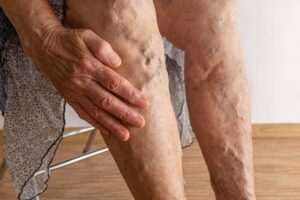
Spider veins are prominent clusters of blood vessels that have become damaged. They often appear as a slightly purple colour on the surface of the skin and will branch out in a spider web-like fashion, hence the name. Although not particularly dangerous, spider veins are a good indication of how healthy your body is. If spider veins are prevalent, it suggests that you have poor circulatory health. This can suggest further conditions such as high blood pressure and high cholesterol. If this is not dealt with, it may lead to coronary issues such as heart failure or a heart attack.
How to Prevent Spider Veins in Pregnancy
There are a number of things that individuals can do to reduce the risk of developing spider veins in pregnancy. These include, but are not limited to:
- Avoid excessive weight gain: Pregnant women should try to limit their weight gain to 10-12 kg during pregnancy if they want to avoid developing spider veins.
- Buy quality pantyhose: High-quality pantyhose contribute a lot to compression of the skin, muscles and blood vessels. If they are compressed in the right way, it may help reduce the onset of spider veins and varicose veins.
- Spider veins and varicose veins in pregnancy, especially ones that develop in the legs, can be prevented by using compression socks. These have shown to be highly effective in preventing the onset of varicose and spider veins. However, it is important to check with your maternity carer to check if compression socks are right for you.
- Elevate your legs: When possible, try to rest your legs with your feet raised. At the end of the day, especially if you have been on your feet for extended periods of time, lay on your bed or on the floor and position your legs upright on the wall. This will help to drain the blood from your legs and give your veins some rest.
- Exercise daily: Consistent, low intensity exercise can be helpful in promoting blood flow throughout the body. Spider veins in pregnancy can be significantly reduced by simply going for a walk or cycling each day.
- Stay hydrated: Varicose veins in pregnancy will become a lot more prevalent if you do not stay hydrated. Try to drink 3-4 litres of water each day. If you are not used to drinking this much, start with 2 litres and increase slowly from there.
For more information about how to prevent spider veins during pregnancy in Melbourne, get in touch with Vein Care today.