
 It’s normal to have cuts and bruises every now and then, but when it doesn’t heal as quickly as it should, you might have a bigger problem. One such problem is a leg ulcer, which can take a toll on a person’s health and well-being, not to mention self esteem.
Simply put, a leg ulcer starts as a break in the skin of the leg, allowing both air and bacteria to seep into the tissues underneath. These types of injuries don’t recuperate as well as one would hope, creating further breakdown and can cause it to increase in size.
Varicose Veins and Leg Ulcers
There are three common causes of the development of leg ulcers. One is due to venous disease, another is because of arterial disease, while the last one is attributed to other causes such as diabetes and other conditions affecting wound healing.
Out of all three possible causes, the most prominent is due to venous problems, which comprises of 80 percent of leg ulcer cases. This is where the formation of such can also be linked to the presence of varicose veins.
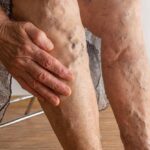
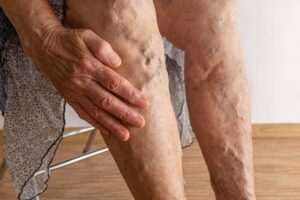
People develop varicose veins when the valves are not functioning well, allowing backflow of blood to the lower extremities instead of going up to the heart. This results in enlarged, unsightly veins that people know as varicosities. When excess pressure further builds up, this causes damage to the skin which can lead to leg ulcers.
Symptoms
Most of the symptoms of leg ulcers are almost similar to varicose veins. Some of them include:
– Swollen ankles
– Enlarged, unsightly veins in the legs
– Pain in the legs after extended periods of standing
– Relief when elevating the legs or applying compression bandages
– Red, irritated skin on the legs
Treatment
When suffering leg ulcers, it is important to consult a licensed practitioner. The method of treatment will vary from case to case, but some of the most common interventions are the following:
– Medical intervention through debridement of the wound
– Applying compression bandages to encourage blood flow towards the heart
– Antibiotic treatment to prevent infection
– Elevation of the leg to lessen pressure on the area
As always, prevention is better than cure. It pays to always check on your overall health on a regular basis, and that includes paying attention even to your legs. Always visit a healthcare professional near you and maintain a healthy lifestyle.